Red Dates (Jujube): How Chinese Home Cooks Actually Use Them

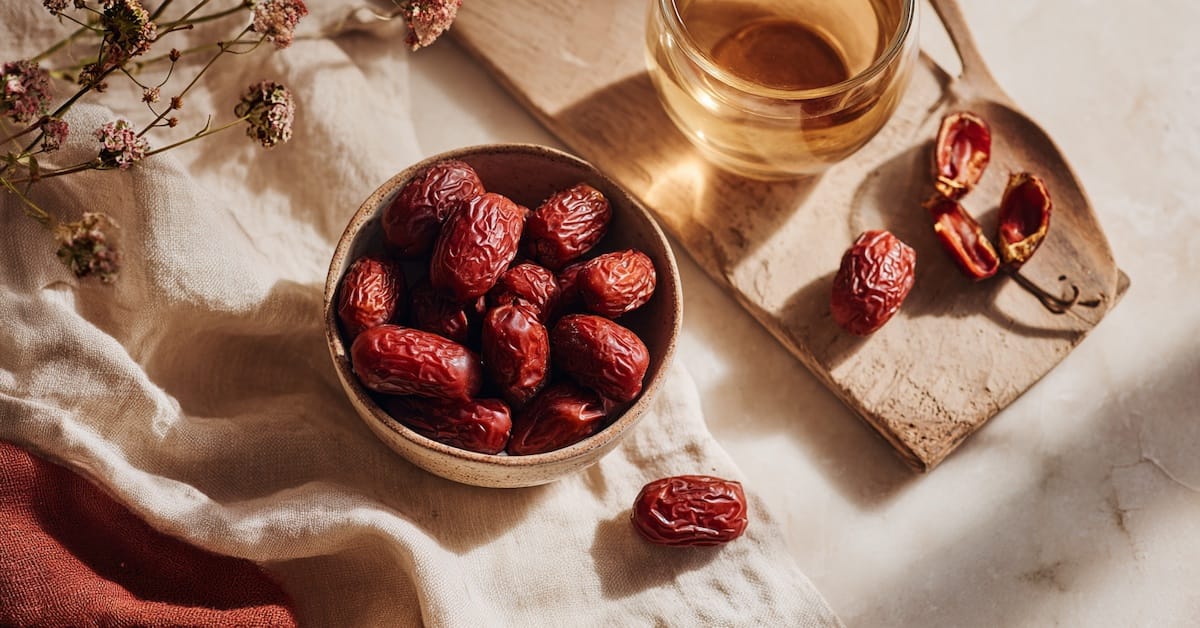
If you've simmered any of the sweet soups on this site, you've almost certainly used red dates — those wrinkled, deep-red dried fruits that quietly sweeten the pot from the background. They're one of the most-used dried goods in a Chinese kitchen, and one of the most misunderstood by newcomers, who often aren't sure what they are, what they taste like, or what to actually do with them.
Here's the plain-English introduction: what red dates are, the everyday ways they're used at home, and how to choose and prep them so you get the most out of them.
I share a new recipe or ingredient guide every week — subscribe below to cook along.
What they actually are
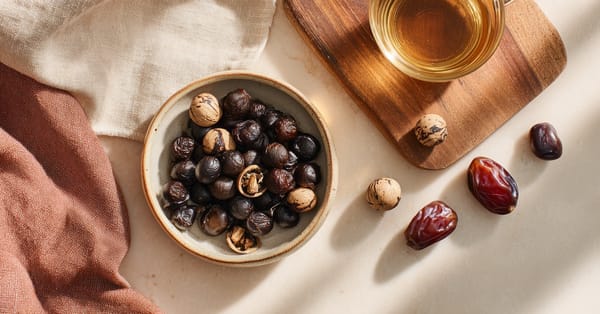
Red dates (红枣, hóng zǎo) — also called jujubes — are small dried fruits with a chewy texture and a deep, caramel-like sweetness. They're not related to the large, sticky Medjool dates you might know; jujubes are smaller, firmer, and less sugary, with a flavor closer to a cross between a date and a dried apple, rounded out with a faint molasses note.
Dried, they keep for months. They're almost never eaten raw by the handful — instead they go into a pot, where heat and time draw out that caramel sweetness into whatever they're cooking.
The 4 ways they're actually used at home
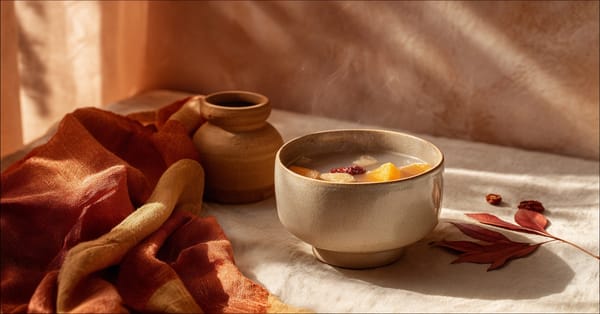
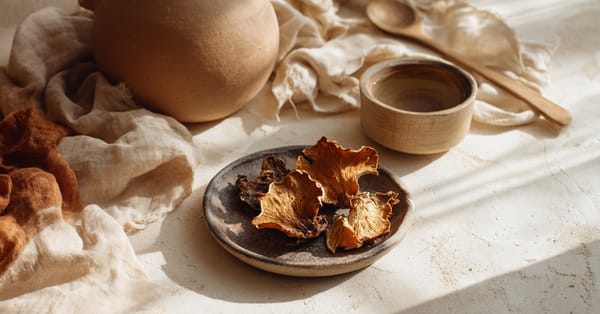
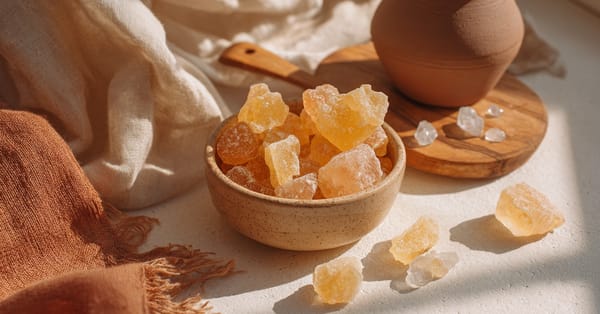
1. Simmered into sweet soups. This is the classic role. Red dates are the quiet base note in a huge share of tong sui — they add a natural caramel sweetness that means you need less rock sugar. You'll find them in snow fungus soup, peach gum soup, and many more.
2. Steeped into tea. Red dates and dried longan steeped in hot water make a naturally sweet, honeyed tea with no sugar needed — one of the simplest daily drinks in the repertoire. There's a whole guide to the five-minute red date and longan tea if you want to try it.
3. Added to savory soups and braises. A few red dates dropped into a long-simmered savory soup or braise add a subtle, rounding sweetness that balances salty and rich flavors. They melt quietly into the background rather than making the dish taste "sweet."
4. Cooked into congee and rice. Torn red dates stirred into a pot of rice porridge, or steamed with glutinous rice, add little pockets of caramel sweetness and colour to an otherwise plain bowl.
The one prep trick worth knowing: tear them open
Here's the single most useful thing to know about cooking with red dates: tear them open before they go in the pot. A whole dried date has tough skin that holds most of its flavor inside — steeped or simmered whole, it releases surprisingly little. Torn open (or halved and pitted), it gives up far more of that caramel sweetness into the liquid.
It takes a few seconds with your fingers, and it's the difference between a faintly sweet pot and a properly flavored one.
How to choose and store them
- Look for plump, glossy dates. Good red dates are a deep, rich red with a slightly wrinkled but full, plump body. Avoid ones that look shriveled, dull, or dry and hard — they're past their best and won't give up much flavor.
- Whole or pitted, your choice. Pitted dates save you the step of removing pits; whole ones are often cheaper and keep a little better. Either works.
- Store them airtight and cool. Sealed away from light and moisture, they keep for many months. If your kitchen is humid, the fridge is a safe bet.
Where to get them
Any Chinese or pan-Asian grocery carries them, usually in the dried-goods aisle, sold whole or pitted. If you'd rather order online, they're on my Pantry page along with the other sweet-soup staples.
Want to put them to use? They're the backbone of the chilled snow fungus soup with pear, and the star of the simple red date and longan tea.
New recipes and ingredient guides land here every week — subscribe below to cook along.