Dried Longan: The Honeyed Pantry Staple You're Missing

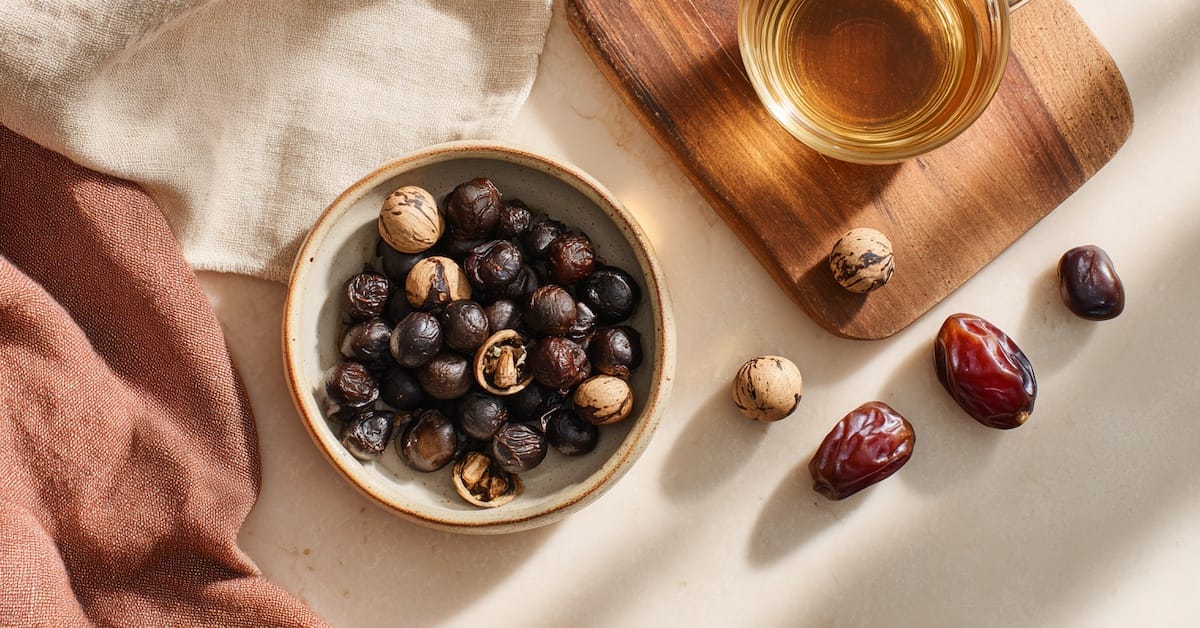
If you've had the fresh longan fruit — those small, translucent, lychee-like orbs — you know they're delicate and floral. Dried longan (桂圆, guì yuán) is a completely different creature: shriveled, dark, and chewy, with a deep, honeyed, almost smoky sweetness that's far more interesting than a raisin. It's one of the most useful things you can keep in a Chinese sweet-soup pantry, and one of the most overlooked by newcomers.
Here's what it actually is, the everyday ways it gets used at home, and how to buy and store it.
I share a new recipe or ingredient guide every week — subscribe below to cook along.
What it actually is
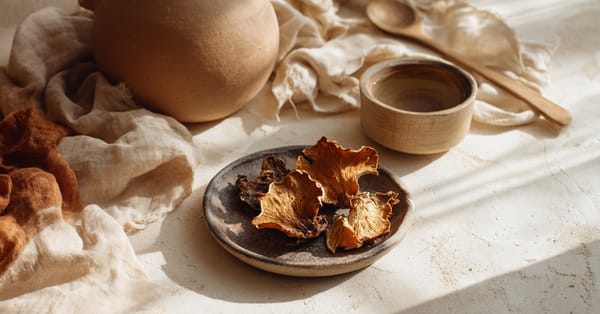
Dried longan is simply fresh longan fruit that's been dried until the flesh turns dark brown, chewy, and concentrated. Drying transforms it the way it transforms a grape into a raisin — but the result is richer and more complex, with a warm, molasses-like sweetness and a faint smokiness.
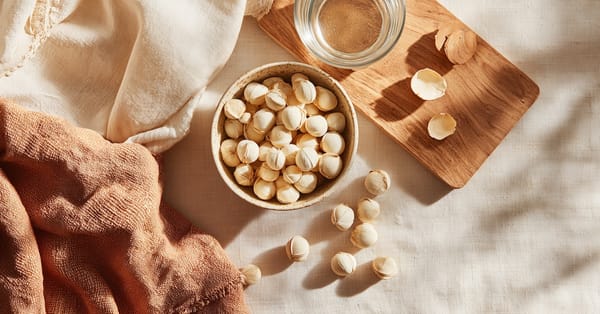
You'll usually find it sold two ways: still in the shell (round, tan, brittle shells you crack off), or already shelled and pitted — soft dark nuggets often labeled "longan meat" (桂圆肉). For cooking, the shelled kind saves you a fiddly step and is what most people reach for.
The 3 ways it's actually used at home
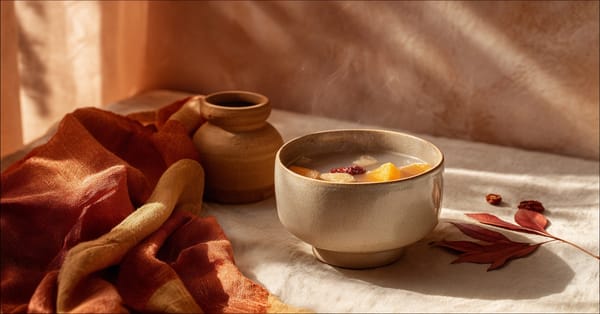
1. Simmered into sweet soups. This is the heart of it. Dried longan adds a deep, honeyed sweetness to tong sui that rock sugar alone can't give — it's less "sugary" and more "warm and rounded." It pairs especially well with red dates, the two of them forming the backbone of countless bowls.
2. Steeped into tea. Dried longan and red dates steeped in hot water make a naturally sweet, honeyed brew with no sugar needed — one of the simplest daily drinks in the whole repertoire. There's a full guide to the five-minute red date and longan tea if you want to try it.
3. Added to congee and rice. A small handful stirred into rice porridge, or steamed with glutinous rice, adds little pockets of caramel-honey sweetness and a chewy texture.
Its natural partner is the red date — if you keep the two together, you're a long way toward most of the sweet soups and teas in the Chinese repertoire.
How to choose and store it
- Look for soft, dark, plump pieces. Good shelled longan is a deep glossy brown and still slightly soft and chewy. Avoid pieces that are rock-hard, dusty, or overly shriveled — they're old and won't give up much flavor.
- Shelled saves you the work. Buying "longan meat" (already shelled and pitted) skips the fiddly cracking step. Whole in-shell longan is often cheaper and keeps a little longer, if you don't mind the prep.
- Store it sealed and cool. Keep it airtight, away from light and moisture. It keeps for many months; in a humid kitchen, the fridge is the safe bet.
- A little goes a long way. A small handful is plenty for a pot of soup or a pot of tea, so a bag lasts a good while.
Where to get it
Any Chinese or pan-Asian grocery carries it, usually in the dried-goods aisle — look for both the in-shell and the "longan meat" versions. If you'd rather order online, it's on my Pantry page along with the other sweet-soup staples.
Want to put it to use right away? It's the honeyed half of the simple red date and longan tea, and a lovely addition to many Chinese sweet soups.
New recipes and ingredient guides land here every week — subscribe below to cook along.