Dried Tangerine Peel (陈皮): A Flavor Secret for Sweet & Savory

Some ingredients shout; this one whispers. Dried tangerine peel (陈皮, chén pí) is one of those quiet building blocks that a lot of Chinese home cooking leans on without ever announcing itself — a fragrant, slightly bitter, citrusy note that adds depth and cuts through richness. You may have tasted it in a bowl of red bean soup or a slow braise and never known what it was. Here's what it is, and how to put it to use.
What it actually is
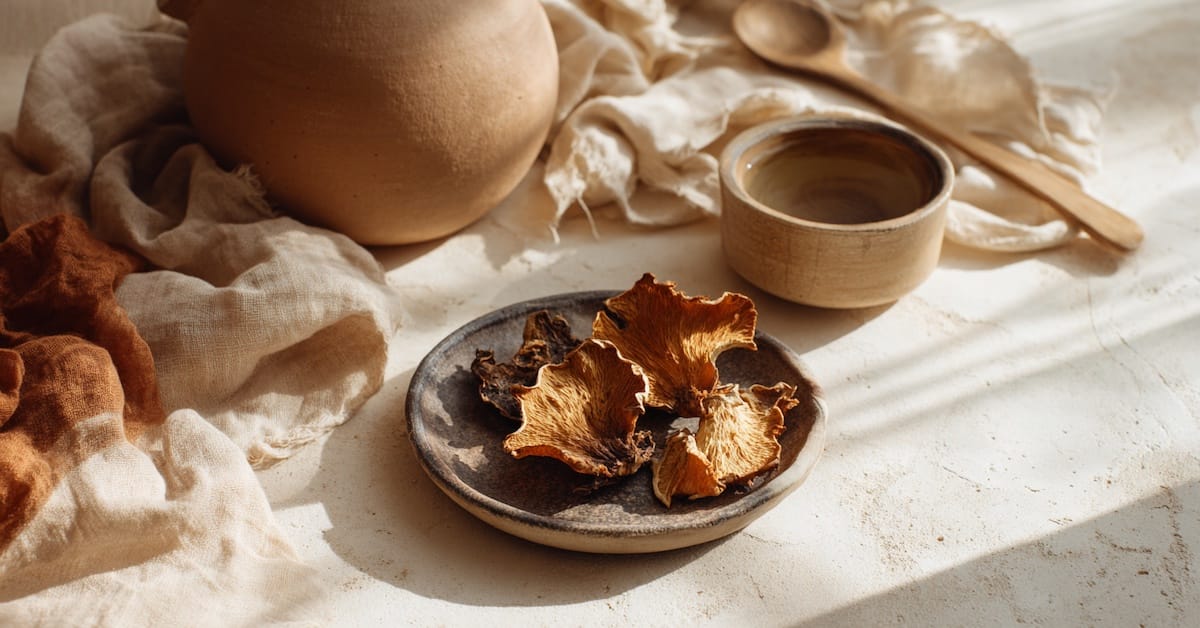
Dried tangerine peel is exactly what it sounds like: the peel of tangerines (or mandarin oranges), dried and aged. Fresh peel is sharp and raw; drying and aging it mellows that into something rounder — fragrant and citrusy up front, with a gentle, pleasant bitterness underneath. The longer it's aged, the more prized (and pricier) it becomes, with well-aged peel developing a deep, almost sweet complexity.
For everyday cooking you don't need the rare aged stuff — ordinary dried tangerine peel from any Chinese grocery does the job beautifully.
I share a new recipe or ingredient guide every week — subscribe below to cook along.
The ways it's actually used at home
1. In sweet soups. A small piece of tangerine peel dropped into a pot of red bean soup or sweet mung bean soup adds a fragrant, slightly citrusy lift that cuts the richness and keeps the sweetness from feeling flat. It's a classic, subtle addition — most people can't name it, but they notice the soup tastes more interesting.
2. In savory braises and soups. This is where tangerine peel really earns its keep. A piece simmered into a red-braised dish, a pot of slow-cooked broth, or a steamed dish adds a warm, aromatic backbone that balances fatty, rich, or heavy flavors. It's one of those ingredients that makes a braise taste layered and "restaurant-like" without you being able to say quite why.
3. Steeped into tea. A small piece steeped in hot water, sometimes with other dried fruits, makes a fragrant, gently bitter-sweet brew.
How to use it
- Soak it first. Dried peel is hard and brittle. Soak it in warm water for 10–20 minutes until it softens and becomes pliable before adding it to a dish.
- Scrape the white pith (optional). The white inner layer can be a little more bitter. If you want a cleaner flavor, gently scrape some of it away after soaking — though for most home cooking it's not essential.
- Use a little. The flavor is concentrated. A small piece — a few square centimeters — is plenty for a pot; too much can turn things bitter.
- Fish it out or leave it in. Some people remove the peel before serving; others leave it in. Your call.
How to buy and store it
- Look for dry, fragrant, curled pieces. Good dried tangerine peel is dry, hard, and still noticeably fragrant when you sniff it. Darker, older peel is often more valued for its deeper flavor.
- It keeps for years. In fact, age improves it. Store it sealed and completely dry, away from moisture, and it only gets better with time — some households keep and age their own for years.
Put it to use
The easiest place to try tangerine peel is in a sweet soup where it plays a supporting role — a piece in red bean soup is a lovely introduction. It's on the Pantry page alongside the other staples, and part of the wider world of Chinese sweet soups — though, as you'll have gathered, this is one dried good that reaches well beyond the sweet-soup pot.
New recipes and ingredient guides land here every week — subscribe below to cook along.